
Blog Content
Understanding Money in Peru
Before exploring Peru’s breathtaking landscapes and ancient wonders, it’s essential to understand how money works here. Whether you’re dining in Lima, shopping at Cusco’s markets, or traveling through the Sacred Valley, knowing how to manage your cash, cards, and exchanges will make your journey smoother and worry-free.
This Peruvian Currency Guide 2026 explains everything you need to know about the Peruvian sol, exchanging money, and using credit cards safely during your trip — so you can spend confidently and avoid unnecessary fees or confusion while traveling in Peru.
¿Cuál es la moneda de Perú?
Peru’s official currency is the Peruvian Sol (PEN), symbolized as S/.
It replaced the old “nuevo sol” and is now simply called sol, meaning “sun” in Spanish — a symbol of energy and renewal.
According to the Central Reserve Bank of Peru (BCRP), as of October 31, 2025, the exchange rate is approximately S/ 3.37 per US dollar.
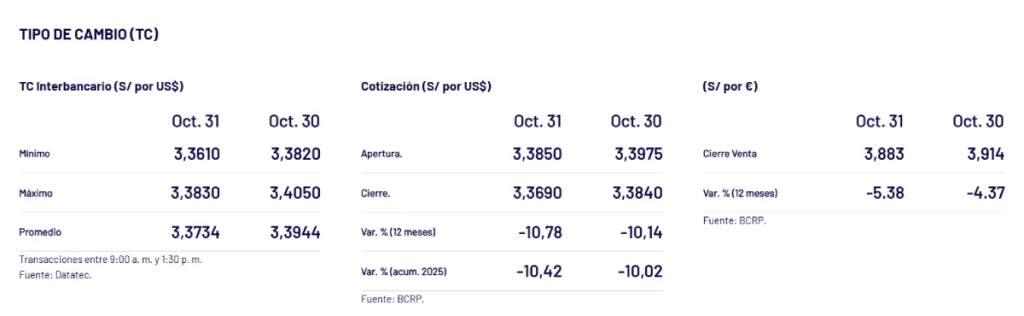
However, this rate fluctuates daily, so it’s always best to check the official BCRP website or your bank’s rate before exchanging or withdrawing money.
Paper bills come in denominations of 10, 20, 50, 100, and 200 soles, while coins range from 10, 20, and 50 céntimos a 1, 2, and 5 soles.

Consejo: Always carry smaller bills when visiting local markets, taking taxis, or shopping in small towns — finding change for large notes can be difficult.
Dónde cambiar dinero en Perú
There are several safe and convenient ways to exchange your foreign currency into soles:
- Banks – Reliable but often have long lines and slightly less favorable rates.
- Exchange Houses (Casas de Cambio) – The most practical option, offering competitive rates and secure service.
- Hoteles – Convenient, but rates are typically lower than market averages.
- Street Money Changers – Common in tourist areas like Lima or Cusco, but proceed with caution and verify authenticity of bills.
Recomendación: Always exchange money in official establishments and count your bills before leaving the counter. Avoid changing large amounts in public places.
Using Credit and Debit Cards
Credit and debit cards are widely accepted in major cities such as Lima, Cusco, and Arequipa, especially at hotels, restaurants, and tour agencies.
Visa is the most commonly accepted card, followed by MasterCard y American Express.
However, in smaller towns or rural areas, cash is king.
It’s wise to keep at least S/ 200–300 in cash for taxis, souvenirs, or emergencies.
Tip: Notify your bank of your travel dates before arriving in Peru to avoid card blocks for suspicious foreign activity.
Cajeros automáticos y retirada de efectivo
ATMs are easy to find throughout Peru — in airports, shopping centers, and city streets.
Most allow withdrawals in both soles y US dollars.
- Daily withdrawal limits range from S/ 700 to S/ 800 (or equivalent).
- Local banks may charge small fees for foreign cards, while your home bank might apply international transaction fees.
For extra safety, use ATMs inside banks or malls and avoid withdrawing money late at night.
Consejos para regatear y comprar
Bargaining is a normal part of Peruvian market culture, especially when buying handicrafts, textiles, or art.
Prices are often set higher for tourists, so don’t hesitate to negotiate — but always with respect and fairness.
Remember, many artisans rely on their craft as their main source of income.
Tipping in Peru
While tipping is not mandatory, it is a thoughtful way to show appreciation for good service.
- Restaurantes: Around 10% is customary unless a service charge is already included.
- Tour Guides: Between S/ 30–50 per day for multi-day tours; S/ 5–10 for shorter ones.
- Taxis: Tipping isn’t required, but rounding up the fare is always appreciated.
Frequently Asked Questions about Currency in Peru (2026)
-
What is the official currency of Peru?
Peru’s official currency is the Peruvian Sol (PEN), symbolized as S/ — it replaced the Nuevo Sol in 2015. The Sol is available in bills of 10, 20, 50, 100, and 200, and coins ranging from 10, 20, and 50 céntimos to 1, 2, and 5 soles.
-
What is the current exchange rate for the Peruvian Sol?
According to the Central Reserve Bank of Peru (BCRP), the exchange rate on October 31, 2025, is approximately S/ 3.37 per USD, though it varies daily depending on market fluctuations. Travelers are encouraged to check the BCRP official website before exchanging money.
-
Where is it best to exchange money in Peru?
The most reliable options are banks y authorized exchange houses (casas de cambio). While hotels and airports offer convenience, their rates are less favorable. Avoid changing money with street vendors to minimize the risk of counterfeit bills.
-
Are credit and debit cards widely accepted in Peru?
Yes. Major credit cards such as Visa, Mastercard, y American Express are accepted in large cities like Lima, Cusco, and Arequipa. However, rural areas and traditional markets often require cash payments, so it’s advisable to carry small bills.
-
Can I withdraw both soles and U.S. dollars from ATMs in Peru?
Yes. Most ATMs in Peru allow withdrawals in both currencies. For safety, use machines located inside banks or shopping centers, and avoid withdrawing large sums at night.
-
Is tipping customary in Peru?
Yes, tipping is appreciated though not always mandatory. In restaurants, a 10% tip is standard if not already included. Tour guides typically receive S/ 30–50 per day for multi-day tours, while rounding up taxi fares is a polite gesture.
Últimos consejos de viaje
- Keep a few small USD bills for emergencies or remote exchanges.
- Avoid torn, stained, or damaged notes — most shops won’t accept them.
- Always check the daily exchange rate before traveling or making large purchases.
- Use a money belt or secure pouch in crowded areas, especially in markets or transport stations.
Experience Peru with Confidence
Understanding how money works in Peru will help you travel smartly and safely, allowing you to focus on the country’s true wealth — its people, culture, and unforgettable landscapes.
En Ver Signature Travels, we provide expert guidance to ensure every part of your journey runs smoothly, from currency exchange to cultural experiences.
Plan your 2026 adventure with confidence — and let Peru’s beauty reward every sol spent.
Related Posts block
-
Pozuzo Town with Charm: A Unique Cultural Treasure in Peru
Pozuzo Town with Charm is a place where history, culture, and nature coexist in quiet harmony. Located in the central region of Pasco, Peru, this small town reflects the country’s extraordinary diversity, shaped by its landscapes, traditions, and the people who have preserved its identity over generations. Peru is known for its richness—from the Pacific…
-
I Will Never Go Hiking — Or So I Thought
Trekking in Cusco Peru is one of the most immersive ways to experience a country that feels like an incomparable gem. Peru offers everything one could ever desire—rich in magic and charm, captivating travelers from the very first moment. From its magnificent coastline with vibrant cities led by Lima, to the vast Amazon rainforest inviting…
-
Dinosaur Footprints in Bolivia: Discover the World’s Largest Track Sites
Bolivia’s varied geography, from the towering Andes to wide lowland plains, has created exceptional conditions for preserving ancient traces of life. Among the most striking discoveries are the dinosaur footprints in Bolivia, fossilized tracks preserved in sedimentary rock that offer a direct glimpse into how these animals moved, interacted, and lived millions of years ago….
