
Peru is authentically a country with so much to see and so much charm that one can never finish expressing what one lives and feels when visiting this beautiful land.
So much history, culture, archeology, colonial and modern life; emblematic sites, wonders of the world and so much more that it is a lottery to travel to this country.
And the roots and identity that has this town is that they have developed for many years, a wide range of crafts, jewelry and fabrics made with magic hands.
Peruvian Handicraft
Peruvian handicrafts are known for their vibrant colors, intricate designs, and high-quality materials. They encompass a wide range of artistic expressions, including textiles, ceramics, jewelry, woodcarvings, and more, often reflecting the rich cultural heritage and history of Peru.
Types of Peruvian Handicrafts:
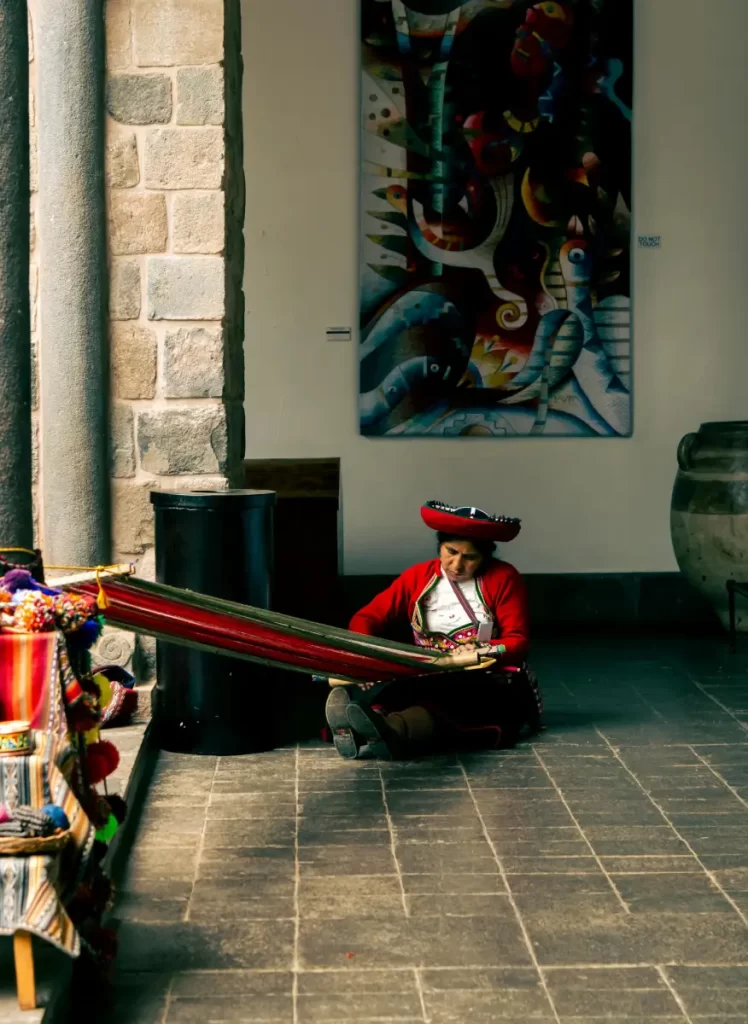
Textiles
- Peruvian textiles are world-renowned, with intricate weaving techniques and vibrant colors often featuring traditional patterns and motifs.
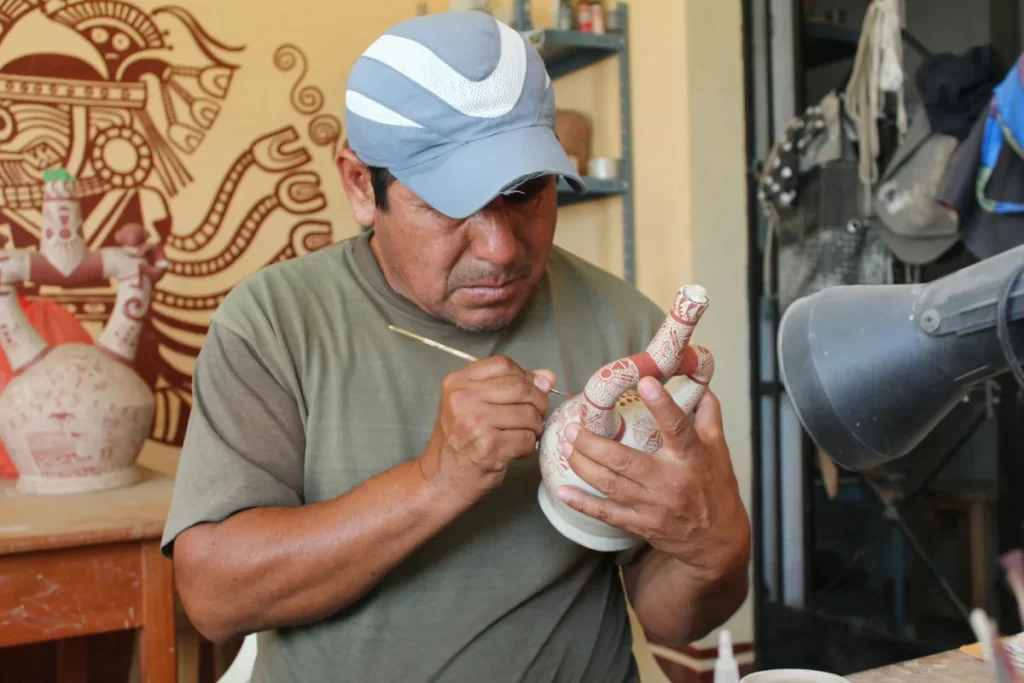
Ceramics
- From hand-painted ceramics to pottery, Peruvian artisans create a variety of decorative and functional pieces.
Jewelry
- Silver jewelry, often incorporating traditional designs and techniques, is a popular souvenir for visitors.
Wood Carvings
- Artisans in regions like Ayacucho create intricate wood carvings, often depicting religious or cultural scenes.
Rush and Cane Weavings
- Baskets and other items are crafted from materials like rush and sugarcane.
Regions where handicrafts are madeCusco:
Known for its metalwork, including silver jewelry, and intricate ceramic pieces.
Ayacucho
- Considered the capital of popular art, famous for woodcarvings and other artistic expressions.
Sacred Valley
- Markets in the Sacred Valley showcase a variety of handcrafted items, including textiles, ceramics, and alpaca wool products.
Tips for Purchasing Authentic Handicrafts:
Look for natural materials
- Authentic Peruvian handicrafts often use natural materials like alpaca wool, native clay, or dried totora reeds.
Seek out fair-trade cooperatives
- These organizations support local artisans and ensure fair prices for their work.
Understand the techniques
- Research traditional Peruvian weaving, pottery, or carving techniques to appreciate the craftsmanship.
Ask about the origin and materials
- Inquire about the origin of the piece and the materials used to ensure authenticity.
Support local artisans
- By purchasing directly from artisans or reputable stores, you can help preserve traditional skills and support local communities.
By understanding the types, origins, and techniques of Peruvian handicrafts, you can appreciate the rich cultural heritage and support the continuation of these artistic traditions
What to Buy?
Silver
Peru is the world’s second largest producer of this metal. And you can find it in jewelry, home furnishings, cutlery and much more.
Textiles
Peruvian textiles are renowned for their vibrant colors, intricate patterns, and rich history, reflecting the cultural heritage of the Andean region. These textiles, crafted from materials like alpaca wool and cotton, are known for their quality and artistry, with techniques passed down through generations. They are not only functional items but also carry symbolic meaning and are used in various cultural and ceremonial context.
Peruvian textiles are more than just fabric; they are a tangible link to the past and a vibrant expression of the present, reflecting the enduring creativity and cultural heritage of the Andean people.
Materials
Alpaca and vicuña wool, known for their softness and warmth, are highly valued, along with fine cotton.
Techniques
Traditional weaving methods, including backstrap looms and intricate braiding, are still used, alongside modern techniques.
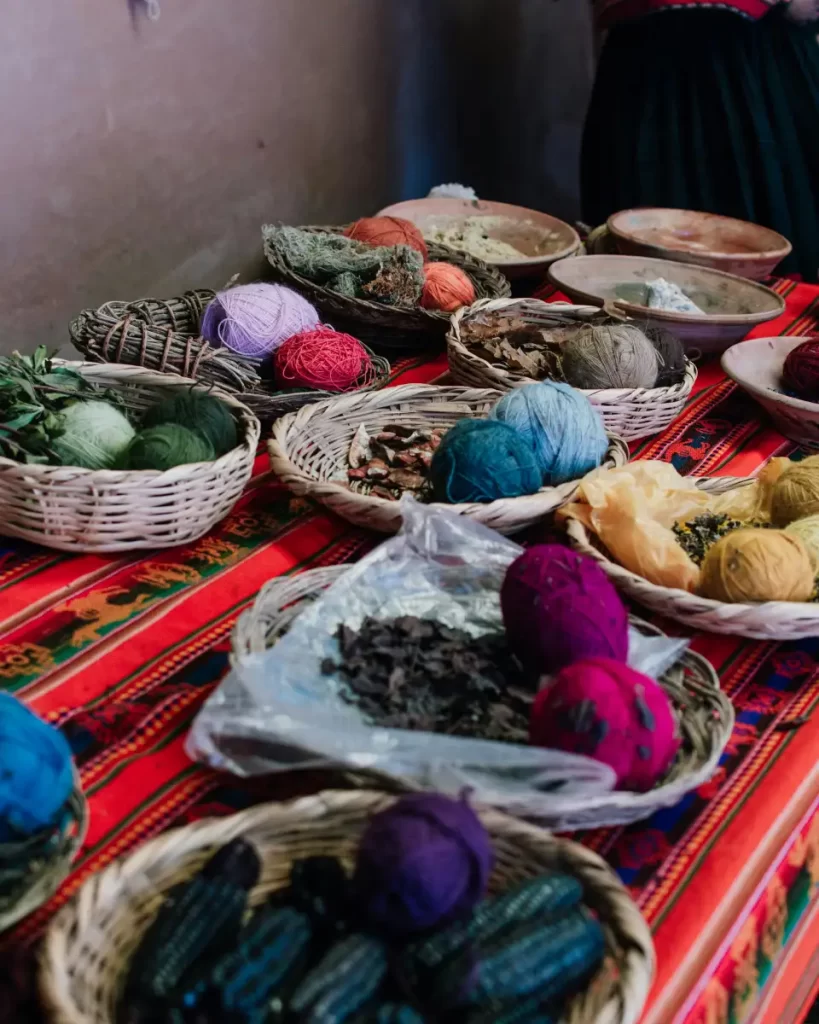
Dyes
How to Spot Authentic Alpaca Textiles
To spot authentic alpaca textiles, feel the fabric for its soft, dry, and slightly cool texture, unlike the slickness of synthetics. Look for a natural sheen rather than a bright shine. Genuine alpaca garments are heavier than synthetic ones and often have muted colors due to the natural dyes used.
Texture and Touch
Softness
- Alpaca is known for its velvety softness, which should be noticeable to the touch.
Dry and Cool
- It feels dry and slightly cool, not slick or sticky like some synthetic materials.
Lack of Itch
- High-quality alpaca is generally not itchy, even against bare skin.
Weight
- Alpaca is denser than many synthetics, so a garment made from it will feel heavier
More information
Seams:
- High-quality, 100% alpaca garments (especially knitted items) often have minimal or no visible seams.
Burning Test:
- If you can safely do so, a genuine alpaca fiber will smell like burning hair when ignited, while synthetic fibers will melt.
Price:
- High-quality alpaca is not cheap; be wary of extremely low prices for “100% alpaca” products.
Labels and Certifications:
- Look for labels like “Baby Alpaca” (indicating finer fibers) and reputable brand names.
